More convincing follow-up messages
Exposed details make phishing and impersonation feel personal, especially when paired with public or breach data.
Trusted Scam Prevention Guidance Before You Click, Pay, or Share
When personal information is exposed, the real question is what someone can do with it next. This page helps you understand the concern and decide whether monitoring and protection make sense.
ScamClarity may earn a commission from Coveron links on this page.
What this can turn into
An email address is often the starting point. The real risk is what it connects to: old leaked passwords, account recovery, financial accounts, and follow-up messages that look more believable.
Exposed details make phishing and impersonation feel personal, especially when paired with public or breach data.
Email and phone numbers are often used to trigger recovery flows on accounts you already use.
Scammers combine what they have with older leaks to guess logins, security questions, or account patterns.
Why Coveron helps here
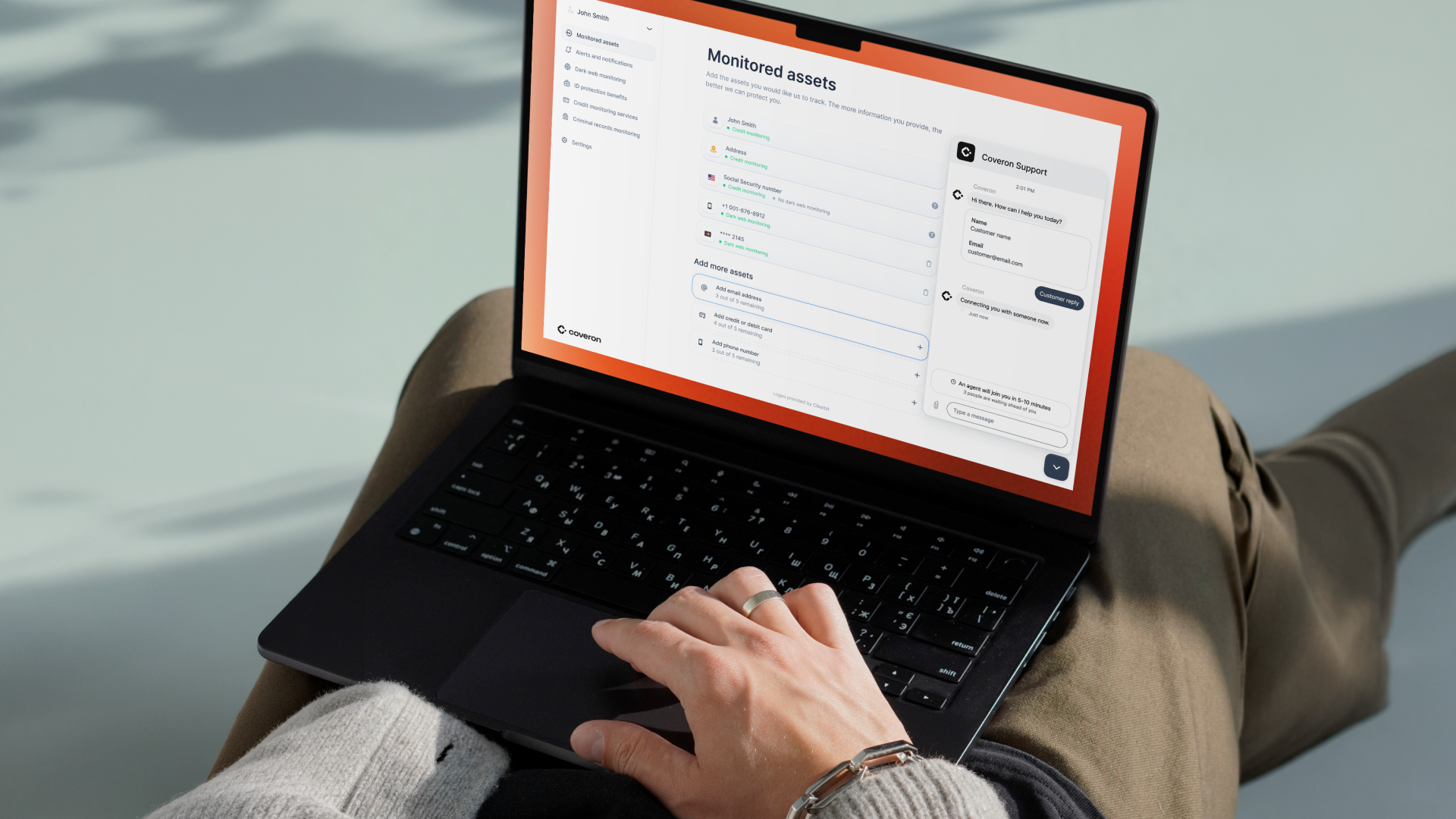
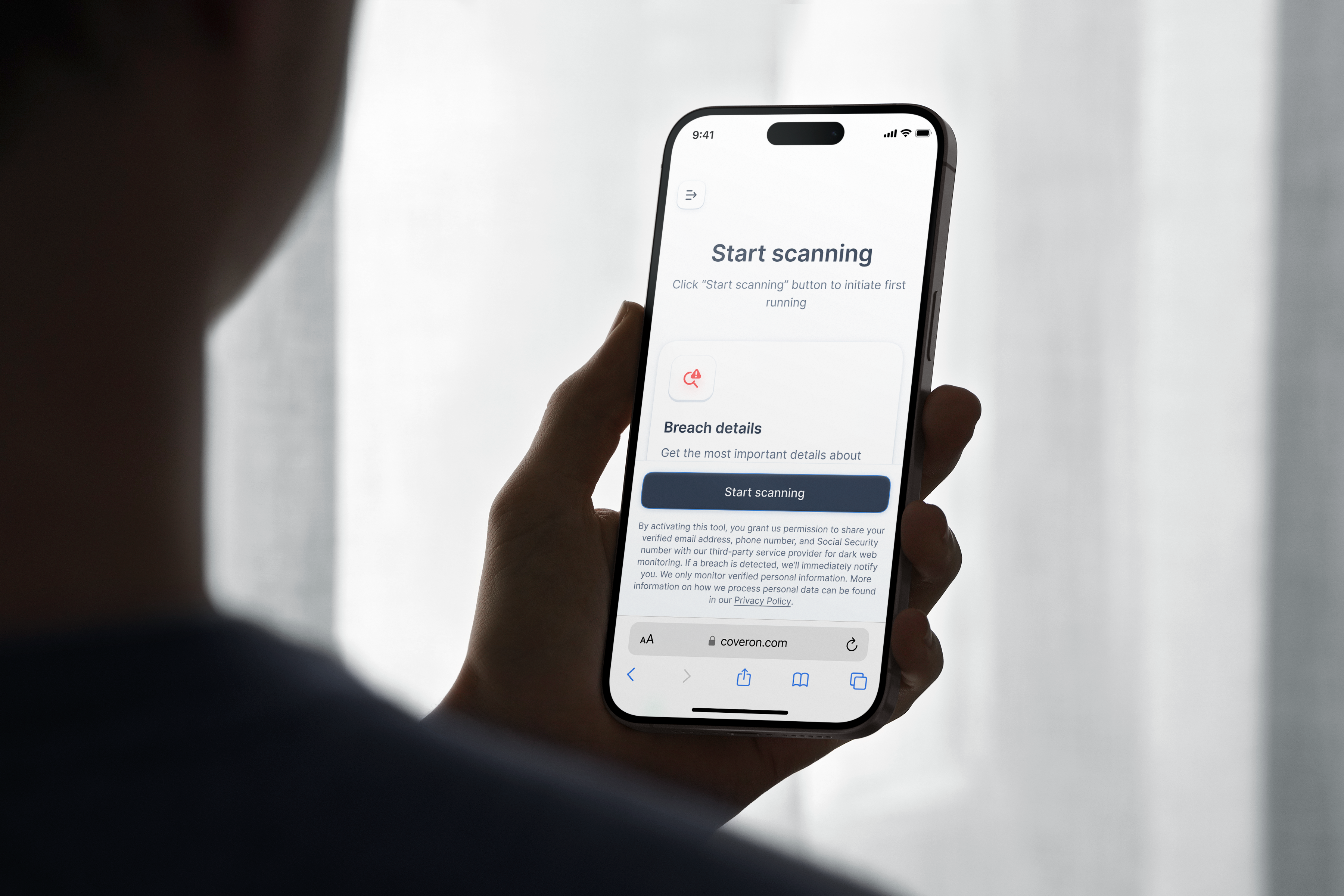
Coveron brings dark web monitoring, credit monitoring, identity theft recovery, online fraud benefits, and cyber extortion benefits into one protection plan. If your information may be exposed, it gives you a way to watch for signs of misuse instead of trying to check everything manually.
What to do now
These steps reduce the immediate account risk. Coveron handles the part you cannot manually watch after the urgent fixes are done.
Stop replying to the scammer.
Save screenshots, links, numbers, emails, receipts, and account alerts.
Change any password you shared or reused.
Turn on two-factor authentication for important accounts.
Contact your bank or card issuer if financial details were exposed.
Consider credit protection steps if SSN, ID, or credit details were exposed.
Watch for follow-up recovery scams.
Why waiting fails
After personal information is exposed, the first few hours can look calm. The harder part is watching for signals that appear later: a breach match, an account attempt, a credit application, or an identity check you never started.
Breaches, credit files, and identity signals sit across different systems and can be easy to miss when you are already stressed.
What feels quiet today can show up weeks later as a reset attempt, inquiry, or unfamiliar account notice.
Timely signals help you respond while the trail is still fresh instead of discovering problems by accident.
Coveron monitoring
You can change passwords and lock down accounts yourself. What you cannot do manually is keep checking dark web leaks, credit activity, identity signals, and recovery needs across different systems.
Changing passwords helps now. Monitoring helps after that, when leaked-data matches, identity alerts, or credit activity may appear later.
Instead of hoping nothing happens, Coveron gives you a place to watch for warning signs and respond if the exposure starts moving.
Stop replying, write down what was shared, secure affected accounts, and take faster action if SSN, financial details, IDs, or login information were exposed.
No. Some details are common or public. Risk increases when sensitive information, account access, financial details, or identity documents are involved.
No. Stop replying, save evidence, and move to account and security steps.
Be careful. Follow-up recovery offers are often scams, especially after financial, crypto, gift card, or wire-transfer scams.
No service can prevent every scam, account attempt, or identity-theft event. Coveron is useful because it adds monitoring, alerts, and recovery support while you handle direct account security steps.
Take the monitoring step now
ScamClarity may earn a commission from Coveron links on this page.